Many people want to check who liked a tweet or simply see the like count without logging into Twitter. Some are researching a post, others are just curious, and a few prefer not to create an account at all. The answer depends on what exactly you are trying to see and whether the account is public.
Here is a clear explanation of what is possible and what is not.
What You Can Usually See Without Logging In
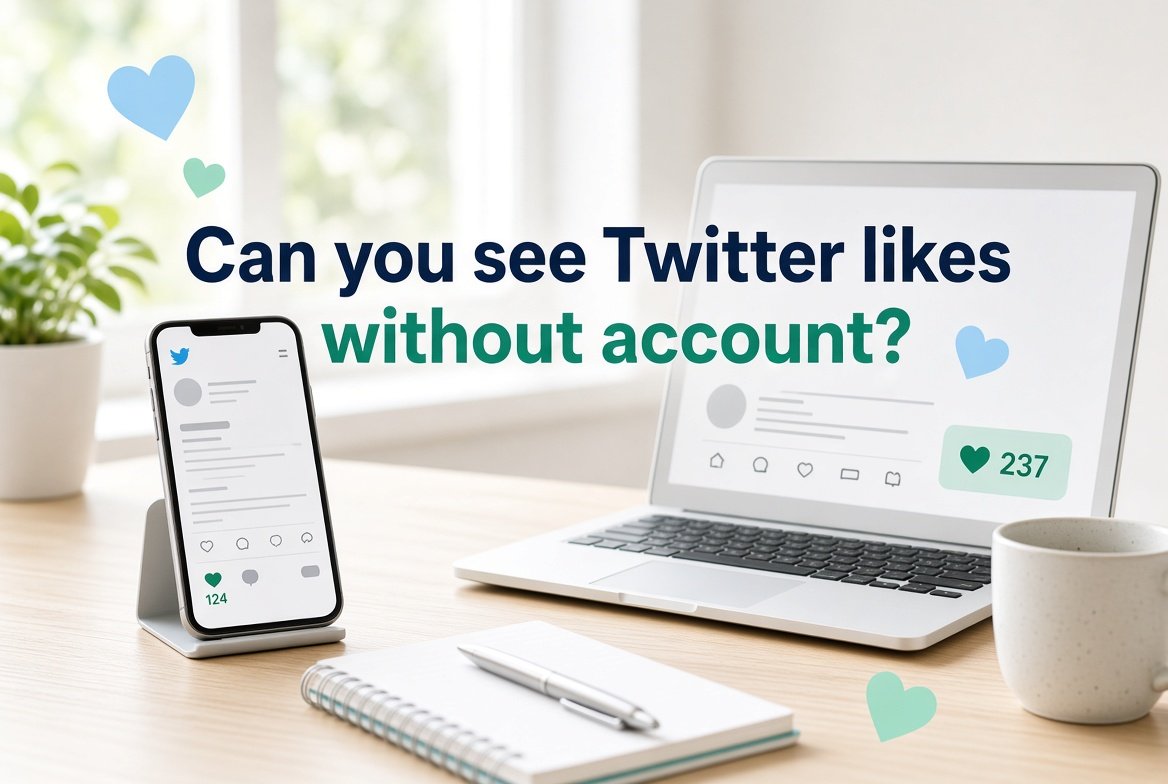
On public accounts, the total number of likes on a tweet is often visible even if you are not logged in. When a public tweet loads, the like count frequently appears along with the number of replies and reposts. This basic engagement information is treated as public data.
However, the list of people who liked the tweet is a different matter. X usually restricts the full list of likers to users who are signed in. Without an account, you can generally see that a tweet has likes, but you cannot open the full list of accounts that liked it.
Why the Like List Is Restricted
X limits certain details for logged-out visitors. The platform encourages people to create accounts by keeping some features behind a login wall. Viewing the complete list of likers is one of those restricted actions in most cases.
This restriction is not the same as making the tweet private. The tweet itself and its like count can still be public. Only the detailed list of who liked it tends to require a login.
Public Accounts vs Protected Accounts
The difference between public and protected accounts matters here. On a public account, the tweet and its basic engagement numbers are usually visible. On a protected account, the tweets themselves are limited to approved followers, so likes and other details remain out of reach for non-followers.
If you are unsure about the difference, you can read a simple explanation on our page about public vs protected Twitter accounts.
Using Viewer Tools
Some Twitter viewer websites can display public tweets along with their like counts more consistently than the main site. These tools do not unlock private information. They only present what is already public in a format that is easier to read without logging in.
Even with a viewer, the full list of individual likers is usually not available without an account. The tools are more helpful for reading the content and seeing overall engagement numbers than for viewing detailed like lists.
What About Your Own Likes?
If you are not logged in, you also cannot see a personal history of posts you have liked in the past. Like activity is tied to an account. Without signing in, there is no personal like history to view.
This is different from simply checking the like count on someone else’s public tweet. One is about public engagement numbers, the other is about your own activity.
Practical Limits You Should Expect
- Like counts on public tweets are often visible without logging in
- The full list of people who liked a tweet is usually restricted
- Protected accounts keep both the tweets and their engagement details limited
- Viewer tools can help with public content but do not bypass privacy settings
Why People Want This Information
There are several common reasons someone might want to check likes without an account:
- Researching how a public post performed
- Avoiding the need to create or log into an account
- Quickly checking engagement on a viral tweet
- Preferring a more private way to browse public content
In most of these cases, seeing the total like count is enough. The detailed list of likers is less often necessary for casual or research purposes.
Final Thoughts
You can often see the number of likes on a public tweet without an account, but the full list of who liked it is usually not available unless you are logged in. Protected accounts add another layer of restriction, keeping both the content and its engagement details limited to approved followers.
For most people who simply want to understand how a public post performed, the visible like count provides enough information. Trying to access more detailed lists without an account is rarely successful through normal means, and that limitation is by design.