
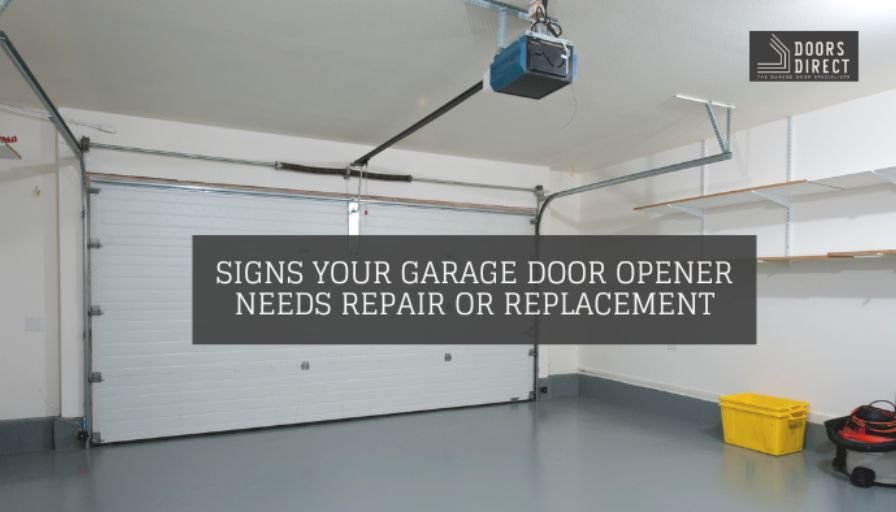
The clearest signs your garage door opener needs attention are grinding noises, slow or struggling movement, and a door that behaves unpredictably. Unfortunately, most Brisbane homeowners don’t act on them until the door stops working completely, and by then, the repair bill crosses thousands.
At Doors Direct, we’ve seen what happens when small faults are ignored in Queensland’s heat. The climate here accelerates wear on motors, rollers, and springs. Catching those problems early protects your automatic system and saves you from a stressful, inconvenient breakdown.
In this article, we’ll cover the warning signs to watch for, common remote control and sensor faults, and how long garage door motors actually last. We’ll also talk through how to decide between a repair and a full replacement.
Let’s check if your opener needs a replacement.
Warning Signs Your Garage Door Opener Needs Attention
Most garage door opener problems show up as physical symptoms first: noise, speed, and erratic movement. The warning signs below stand out as the most common reasons local homeowners call for the unit’s repairs.
Grinding, Straining, or Slow Movement
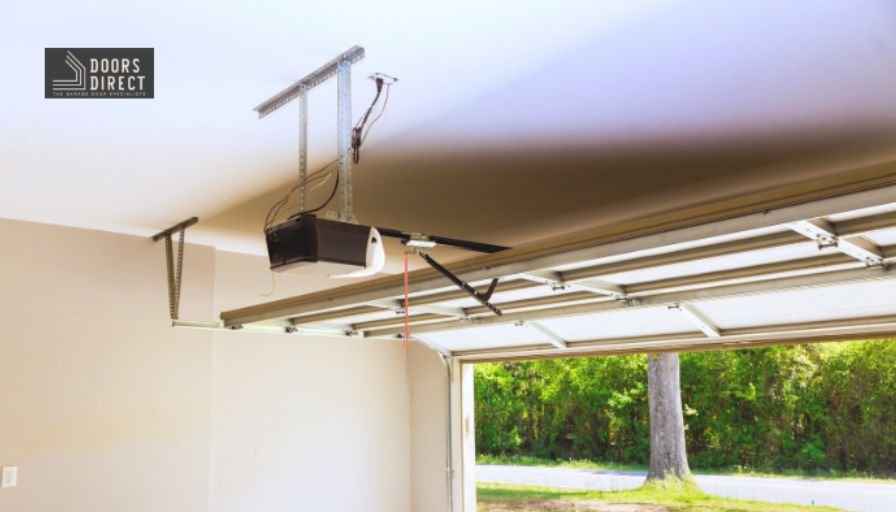
Grinding or straining during operation points to worn motor gears or a failing drive system (the motor is usually the last thing checked, but the first thing to fail).
Slow movement, on the other hand, signals the unit is overworking. In particular, unserviced springs often add more load on the mechanism than normal. Left unattended, a minor gear fault can escalate into full motor failure within weeks.
The Door Opens or Closes Without Being Asked
Ever walked past your garage and watched the door move on its own? That behaviour often indicates a fault within the opener system and should be investigated as soon as possible. A door that moves on its own schedule points to three specific causes:
- A faulty logic board
- Damaged internal wiring
- A stuck button on the remote control
Beyond the inconvenience, it’s a genuine safety risk. For instance, an uncontrolled door can drop onto a car, a pet, or a person without warning. In fact, garage door incidents contribute to approximately 20,000 emergency room visits every year in the United States. The same garage door faults can occur in Australian homes, with similarly serious consequences.
In this situation, a licensed technician needs to inspect the wiring and logic board right away. Any amateur attempts to fix the fault can damage the circuit further and push servicing costs significantly higher.
Garage Door Remote Controls and Sensor Faults
Before you call a technician, it’s worth knowing whether the problem is a $5 battery or something that really needs a repair. Here are the four most frequent culprits behind a non-responsive remote control or a door that won’t close properly:
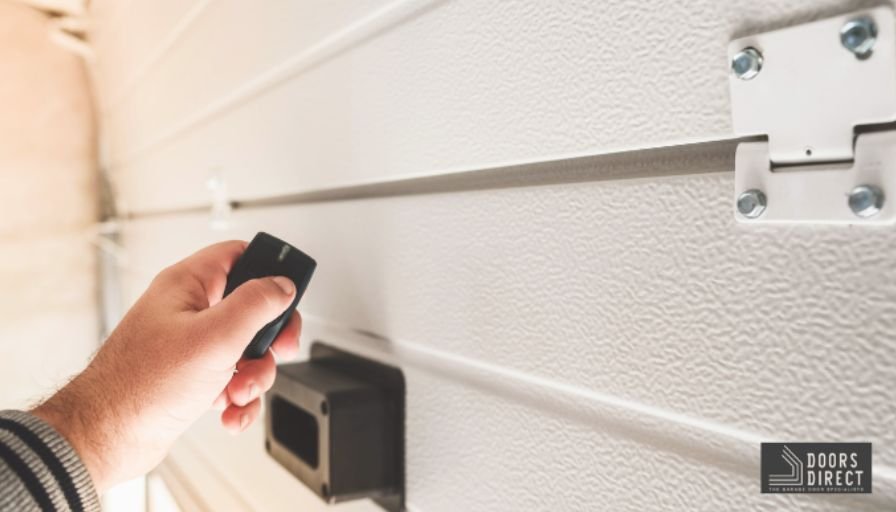
- Flat or Corroded Battery: A worn-out battery is the first thing to check before assuming the remote control unit itself is faulty. Corrosion on the battery terminals can also cut the signal entirely, even with a fresh battery installed.
- Signal Interference: Nearby devices like Wi-Fi routers, LED lighting, and other remotes can disrupt the opener’s radio signal. This can reduce the remote range and cause inconsistent operation.
- Damaged or Worn Remotes: Damaged remote controls can throw off the signal frequency and stop the door from responding altogether. In fact, dropping a control unit once is enough to damage the internal quartz crystal, which keeps the remote transmitting on the correct frequency.
- Misaligned Safety Beams: The safety beams sit roughly 150mm off the ground on either side of the door. If they’re knocked out of alignment, the automatic door reads a permanent obstruction and triggers reversal every single time.
Based on our experience repairing garage doors, remote and sensor problems are some of the most common reasons homeowners need automatic garage door system repairs. So it’s worth checking the issues before calling a service technician.
Your Garage Door Motor Has a Lifespan: Here’s What Wears First
Garage door motors in Brisbane typically last 8–10 years, but Queensland’s heat cuts that window shorter for many households. You might be thinking your unit has a few years left.
However, we’ve worked on enough openers to know that the heat alone takes years off a motor. Especially rubber belts, nylon felt strips, and plastic drive components across sectional and roller doors all degrade faster in our summer temperatures.
In this case, broken springs are the largest accelerator. They force the mechanism to lift the full door weight unassisted, which pushes it past its rated load (springs and motors are more connected than most homeowners realise).
Below is a quick cost breakdown to put the numbers in perspective:
| Issue | Approximate Cost | Action Needed |
| Spring/roller/cable service | $150–$250 | Inspect and service early |
| New motor supply and install | $300–$600 | Replace the worn motor unit |
| Full automatic garage door replacement | $1,500+ | Replace the entire door system |
A routine service call is, by far, the cheapest way to protect your motor and extend its working life before a larger fix becomes unavoidable. That way, you can make small adjustments or part replacements before they place extra strain on the unit.
Repair or Replace: A Simple Way to Decide
Comparing the cost of a repair against a replacement often brings clarity. More often than not, expensive repairs start as small issues that weren’t addressed early.
These factors determine if a servicing or a brand-new door opener is the better call:
- Opener Age: Automatic garage door openers older than 8-10 years are worth replacing rather than repairing, particularly when parts for older garage door brands become harder to source. Not to mention, old doors may lack safety features required under modern Australian standards.
- Repair Cost Threshold: If a single quote reaches 50% of a new opener’s price, replacement is the better option. For context, a new unit and installation in Brisbane usually run $300–$600, so any fix above $150–$300 on an ageing unit warrants a closer look.
- Frequency of Breakdowns: One breakdown a year is a repair job. But two or more of them signal a system that’s failing across multiple components like rollers, tracks, snapped cables, or a worn motor. And patching each fault individually costs more than a full replacement over 12 months.
- Missing Safety Features: Older automatic garage systems often lack battery backup, safety beams, and rolling-code remote control security. These features protect your home’s security and your family directly. So don’t treat them as optional extras on a new garage door.
It’s best not to wait until the door won’t lift at all. What begins as a slow or uneven lift can eventually leave your vehicle trapped inside the garage at the worst possible time.
Get Your Garage Door Opener Checked Before It Lets You Down
Garage door opener problems rarely fix themselves. The warning signs covered in this article all point to faults that get costlier the longer they sit.
Here’s a summary of how to check for repairs:
- Grinding or slow movement means your motor needs a service call soon
- A non-responsive remote or reversing door usually points to a beam or battery fault
- Motors older than 8–10 years are worth replacing before they fail completely
If you’re not sure where to start, contact Doors Direct for expert advice. Our team handles opener repairs, installations, and full replacements across Brisbane, with experienced staff ready to deliver prompt and great service on every job.
Reach out today for a free quote on new installations or book a service call to get your opener working perfectly again.